
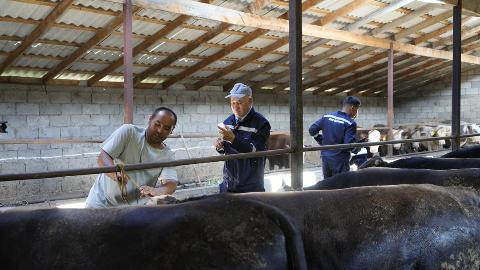
Veterinary Infrastructure in the Zhetysu Region
The Zhetysu region is being equipped with new veterinary infrastructure to support the development of animal husbandry and maintain a stable epizootic situation.
Market context
Prepared editorial context for agricultural markets, source signals, policy moves, logistics, and regional commodity flows.
Latest context
The Zhetysu region is being equipped with new veterinary infrastructure to support the development of animal husbandry and maintain a stable epizootic situation.
Russia achieves record wheat exports to Tanzania, boosts vegetable oil and egg exports, expands grain transport to Iran, and opens new markets for fish and poultry.

The Ministry of Agriculture held a meeting to ensure priority fuel supply for the agro-industrial complex, confirming sufficient volumes and ongoing work on contracts and price monitoring.
Rosselkhoznadzor detected 17 quarantine objects from 18 countries and is taking measures to prevent their spread in Russia.
Rosselkhoznadzor has banned the import of tomato seeds from a French manufacturer to protect Russian agriculture from potential phytosanitary threats.

The text highlights Youth Day as a step toward preserving historical memory and spiritual-moral values.
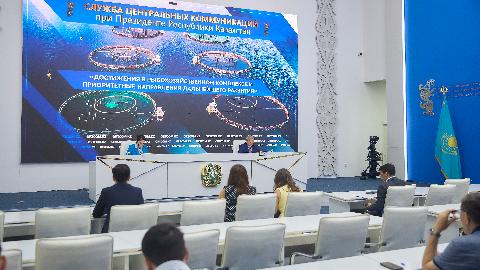
The fishery industry in Kazakhstan has seen significant growth, with a 13% increase in market volume in 2025, and plans to further increase aquaculture production and fish consumption per capita by 2028.

The Ministry of Agriculture of Kazakhstan and Halyk Bank signed an agreement to create a digital ecosystem for the agro-industrial complex, focusing on digital transformation, modern solutions, and improved government services for farmers.

On June 1, 2026, China notified the WTO of an amendment to its mandatory standard GB23350-2021, setting new excessive packaging requirements for canned food, convenience food, and drip coffee products.
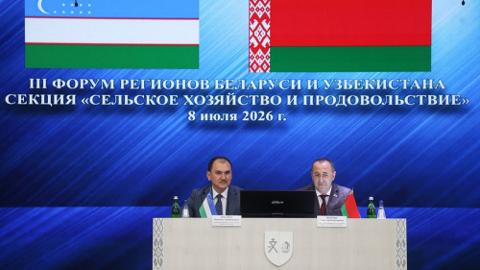
Uzbekistan and Belarus agricultural cooperation reaches new level

Kazakhstan's warming rate is higher than global average, with 0.4°C rise every 10 years. Kazhydromet reports intense temperature increase in spring.
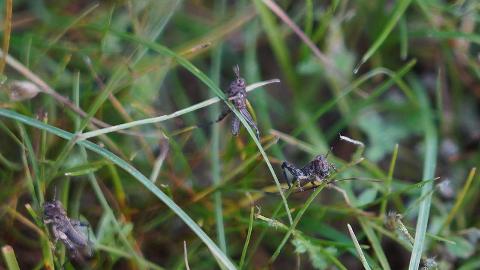
Kazakhstan is carrying out chemical processing against locust pests, with 1.7 million hectares processed as of July 9, and plans to process 2.2 million hectares this year.