

Kazakhstan Plans to Treat 2.2 Million Hectares Against Locusts in 2026
Kazakhstan plans to treat 2.2 million hectares against locusts in 2026, with reduced areas in several regions, increased equipment and drone use, and international cooperation.
Market context
Prepared editorial context for agricultural markets, source signals, policy moves, logistics, and regional commodity flows.
Latest context
Kazakhstan plans to treat 2.2 million hectares against locusts in 2026, with reduced areas in several regions, increased equipment and drone use, and international cooperation.
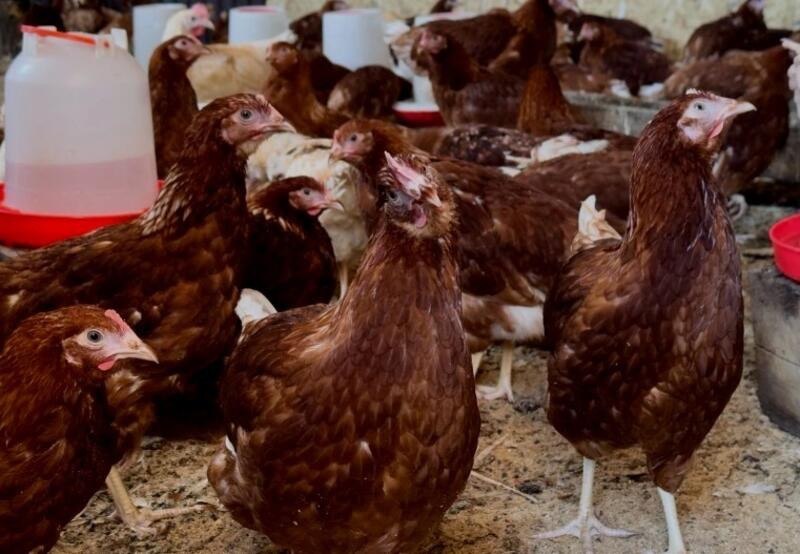
A farmer in East Kazakhstan founded the "AbiNar" poultry processing cooperative with 25 million tenge in state support, boosting production, quality, and jobs.

The Ministry of Agriculture of Kazakhstan proposes changes to the rules for issuing import/export permits for aquatic animals under CITES, with the draft available for public comment.
The Ministry of Agriculture of Kazakhstan has published a draft order amending sturgeon caviar labeling rules for domestic and foreign trade, inviting public feedback.
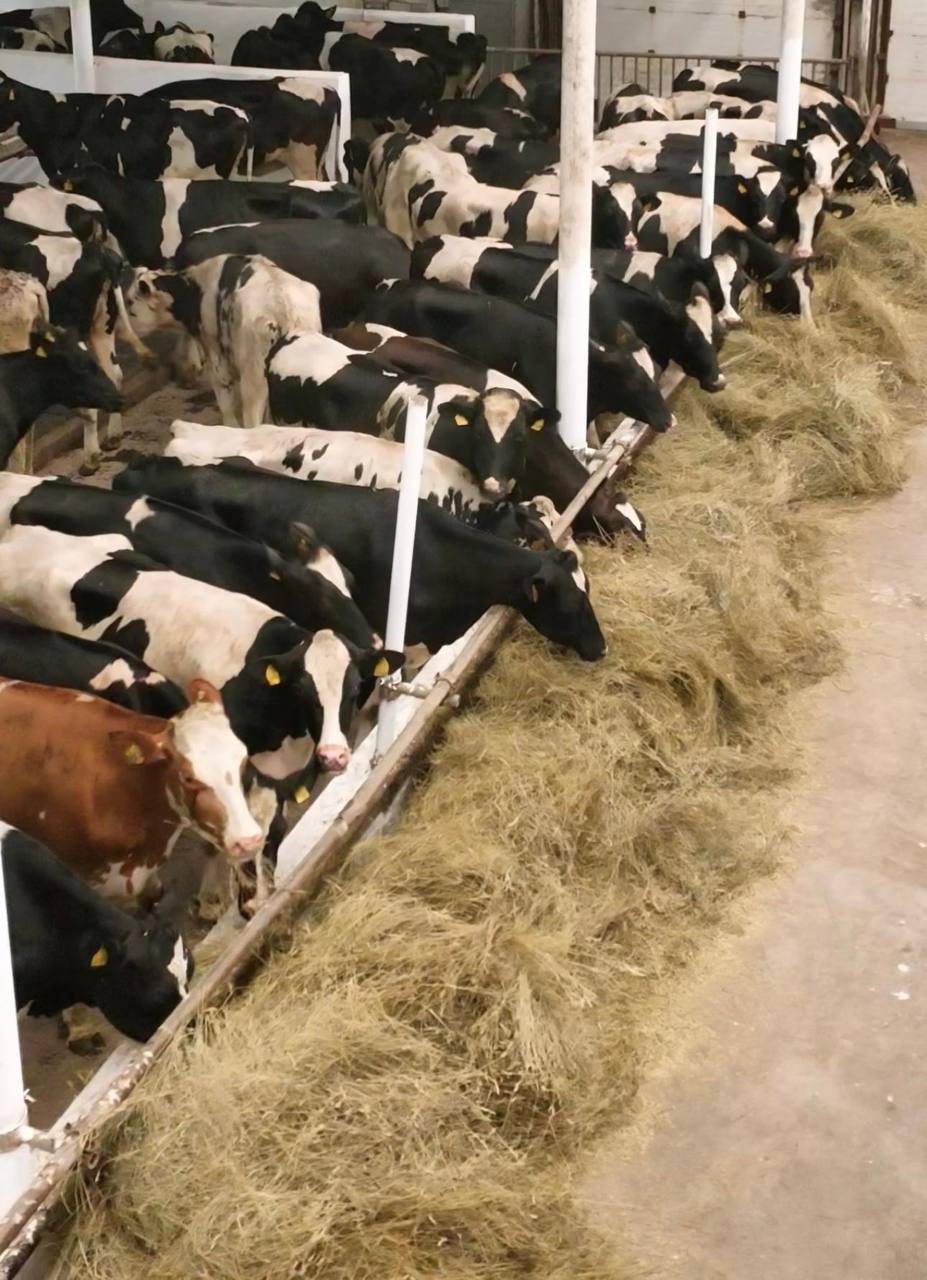
The first batch of 165 Holstein heifers from Germany has arrived in the Akmola Region for a dairy project, with plans to import 330 breeding cattle total, as the animals undergo quarantine and veterinary checks.
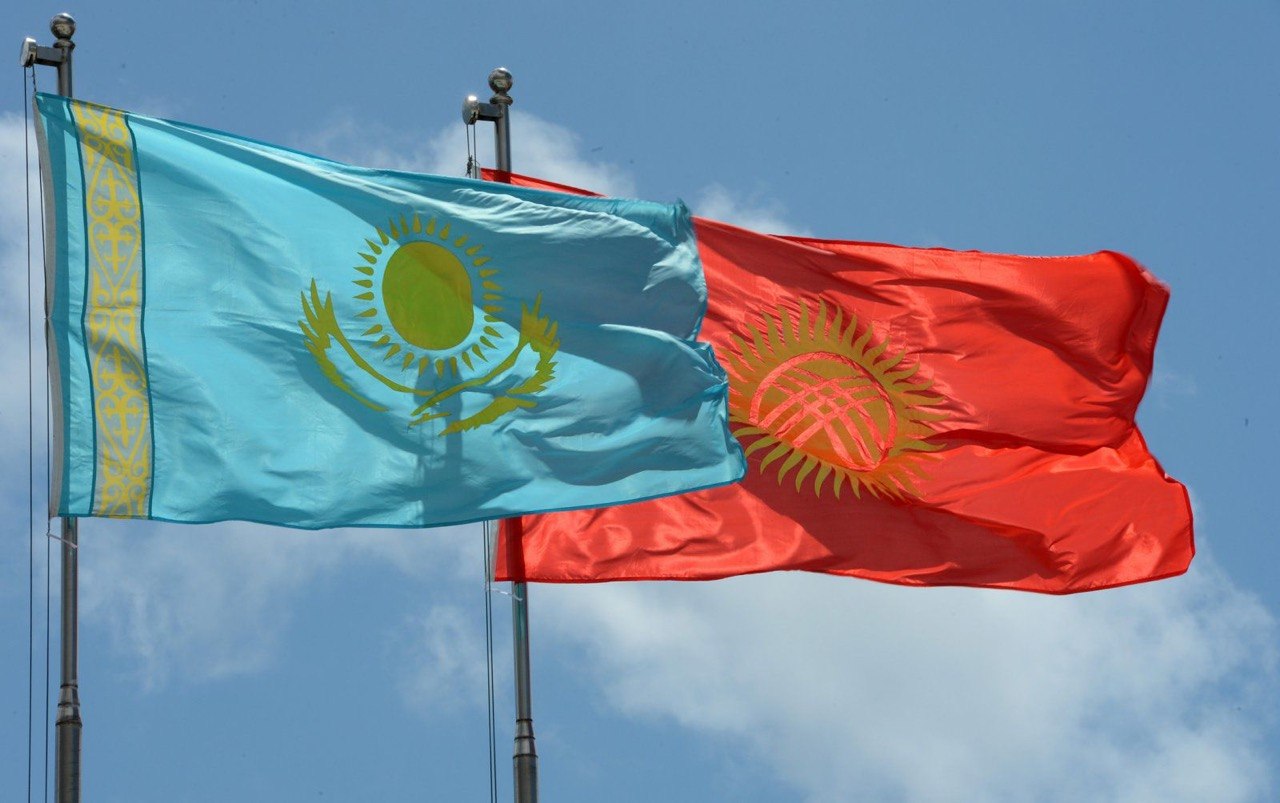
Kazakhstan and Kyrgyzstan have conducted joint border phytosanitary operations against grasshoppers, focusing on monitoring, coordinated chemical treatments, and resource preparation, with both nations committing to sustained collaborative pest control efforts.

Kazakhstan starts second clinical trial phase of PollenVax, a wormwood pollen allergy treatment; first phase confirmed safety; second phase involves 138 patients in a placebo-controlled study.
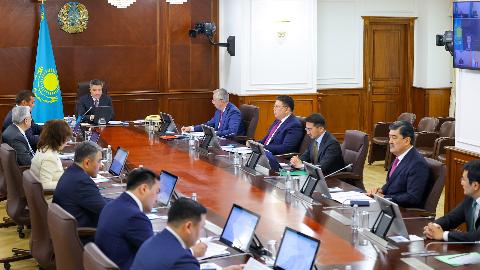
The Government of Kazakhstan has discussed the progress of spring field work, emphasizing the need for high-quality conduct of sowing campaigns to ensure food security and reduce dependence on imports. The Prime Minister instructed state agencies to optimize procedures for providing discounted financing, ensure constant monitoring of the phytosanitary situation, and take measures to stabilize water supply to southern regions.
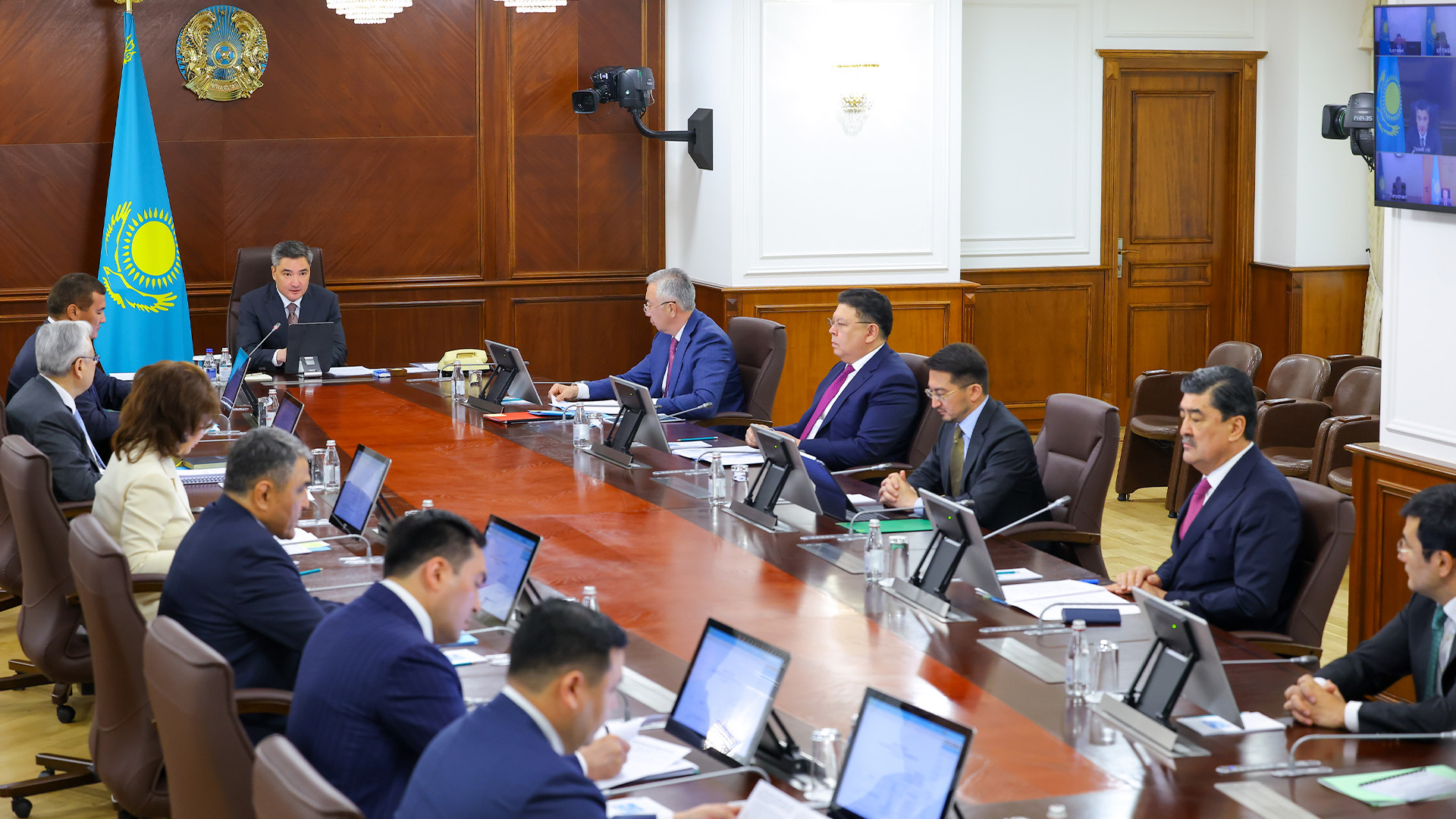
The government, led by Prime Minister Bektenov, discussed spring field work plans, approving fertilizer use and elite seed targets, while addressing financing, locust monitoring, and water supply issues.
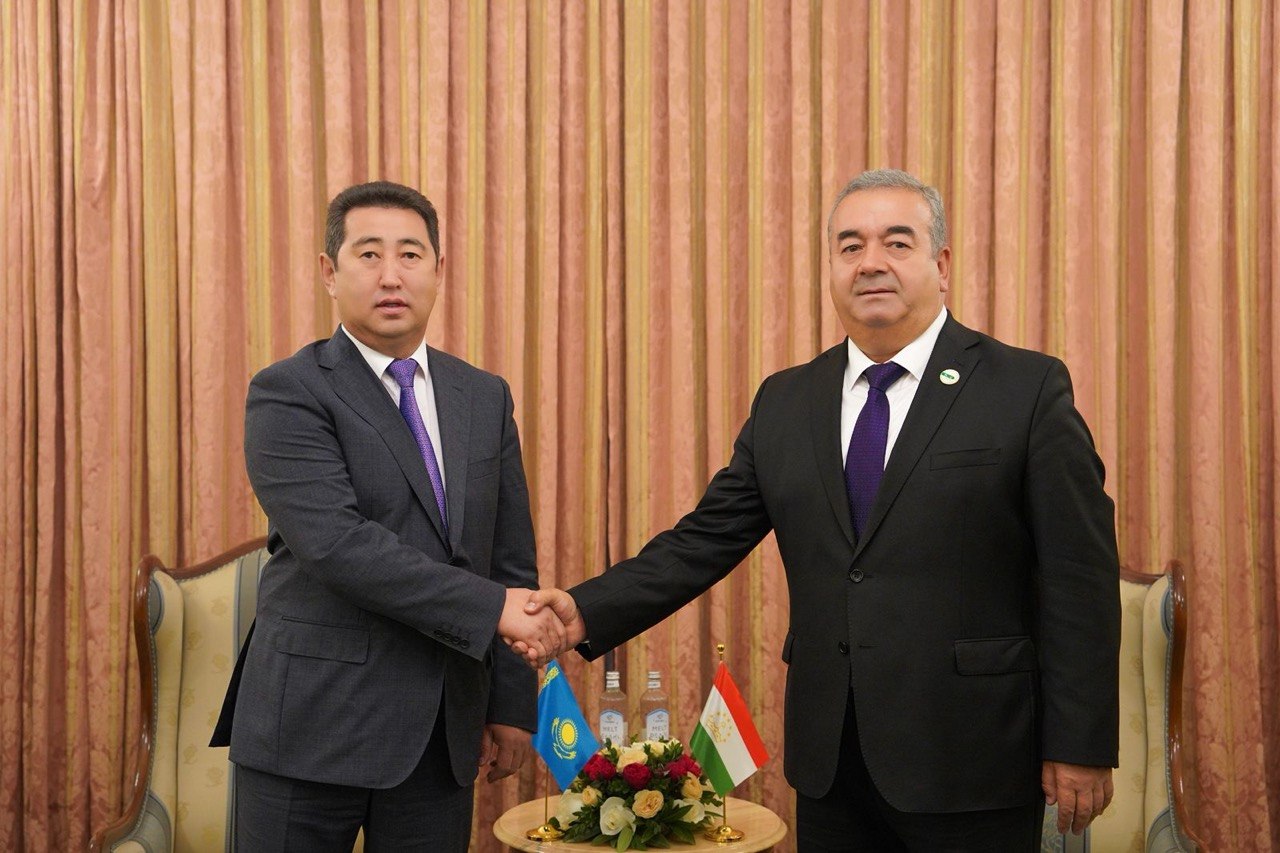
Kazakhstan and Tajikistan plan to sign a Roadmap for agricultural cooperation in 2026, with trade in agro-industrial products reaching USD 595 million in 2025 and growing 26.1% in Q1 2026, focusing on joint projects in food processing and technology.

Kazakhstan plans 750 billion tenge for spring field work, with loans at 5% and extensive guarantees.
Summary of grain and oilseed price recommendations in Kazakhstan as of May 12, 2026, with specific prices and trading advice for various crops.