
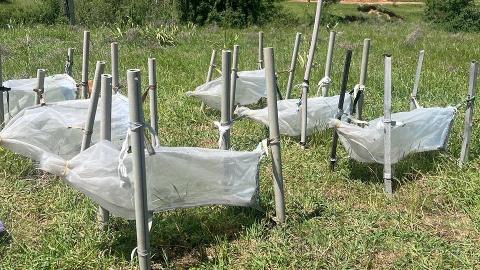
Biopesticide against locusts tested in Kazakhstan
A new biological pesticide based on a fungus was tested in Kazakhstan against Moroccan locusts, achieving 100% mortality by day nine, offering an eco-friendly alternative to chemical insecticides.
Market context
Prepared editorial context for agricultural markets, source signals, policy moves, logistics, and regional commodity flows.
Latest context
A new biological pesticide based on a fungus was tested in Kazakhstan against Moroccan locusts, achieving 100% mortality by day nine, offering an eco-friendly alternative to chemical insecticides.

On May 12, 2026, China notified the WTO of draft amendments to national food safety standards for food additives and food flavors, with a comment deadline of July 11, 2026.
On May 11, 2026, China notified two draft National Food Safety Standards for pasteurized and sterilized milk to the WTO. Comments are due by July 10, 2026.
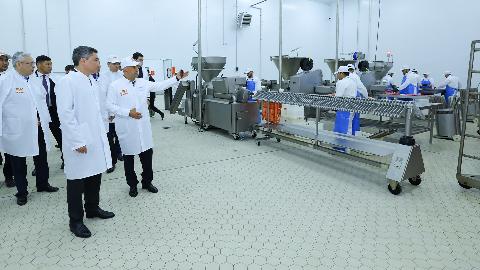
A meat processing plant with a capacity of 18,000 tons per year will be launched in Astana in the second quarter of 2026, with a focus on both the domestic market and export, creating up to 300 jobs.

Kazakhstan completed its 2026 spring sowing campaign on schedule, with total sown area reaching 23.8 million hectares, up 180,000 hectares from 2025. The government allocated 750 billion tenge for concessional financing at 5% per annum.
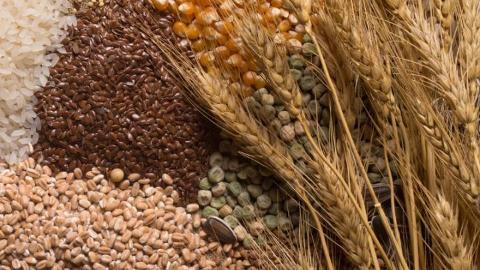
The Research Bureau "Grains and Oilseeds. Kazakhstan" provided trade strategy recommendations for grain and oilseed producers, including price forecasts and sales advice for various crops.
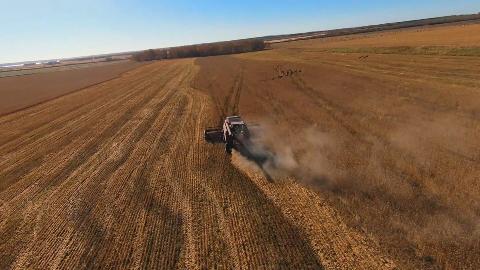
Kazakhstan completed its 2026 sowing campaign with a total area of 23.8 million hectares, increasing oilseed and fodder areas while reducing wheat and rice. State support includes 750 billion tenge in preferential financing, fuel subsidies, and a machinery leasing program. Regional highlights include new grain processing investments in Akmola and leading flour production in Kostanay.

Kazakhstan's oilseed industry has seen significant growth, with export revenue increasing fourfold to $963 million, and the industry aims to further increase its foreign exchange earnings to over $1.5 billion.

Prime Minister Bektenov inspected the Qyzyljar SEZ in North Kazakhstan, noting 609 billion tenge in investments by 2025. Key projects include a bakery (37.3 billion tenge, 380 jobs, 15,000 tons/year), a mushroom farm, and equipment production.
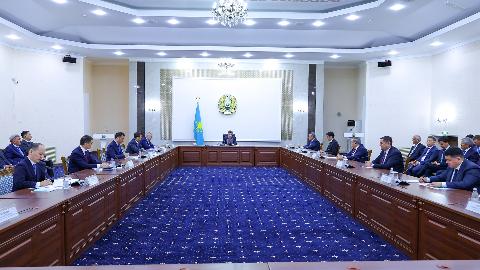
Summary of Kazakhstan's completed sowing campaign, agricultural production data, and government directives.

Oilseed share in Kazakhstan's crops grows to 17%, with record harvests and new storage infrastructure financing.
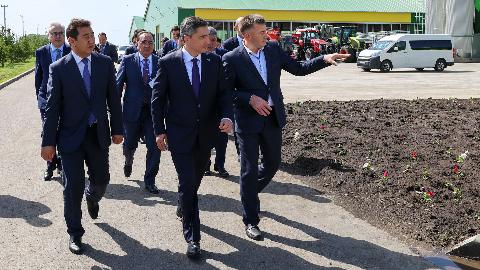
The Prime Minister of Kazakhstan visited dairy farms and plants in the North Kazakhstan Region to check the implementation of the President's instructions for the development of the agricultural sector.