

China Restricts Imports Over Plant Bacteria
On May 26, 2026, China announced measures to prevent Candidatus Liberibacter solanacearum, effective August 1, 2026, suspending seed potato import approvals from affected regions.
Market context
Prepared editorial context for agricultural markets, source signals, policy moves, logistics, and regional commodity flows.
Latest context
On May 26, 2026, China announced measures to prevent Candidatus Liberibacter solanacearum, effective August 1, 2026, suspending seed potato import approvals from affected regions.
On May 11, 2026, China notified the WTO of a revised draft National Food Safety Standard on Nut and Seed Foods. Comments are due by July 10, 2026.
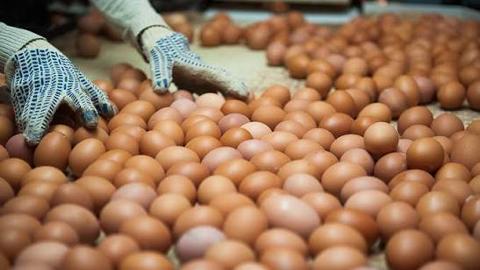
A plant with a capacity of 1 million eggs per day will be built in Kazakhstan, with an investment of 30 billion tenge and the creation of 80 jobs.
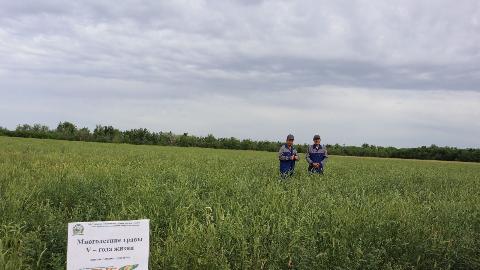
Kazakh scientists patented a method to restore degraded semi-desert pastures using a mix of perennial grasses, boosting fodder productivity and nutritional value for livestock.
Tianjin, a key port city in northern China, ranks among the highest in per capita disposable income in 2025, with strong cold-chain infrastructure supporting large-scale imports of meat, seafood, dairy, and packaged foods.

The authorities have intercepted and destroyed over 113 tons of products from China due to violations of veterinary legislation.
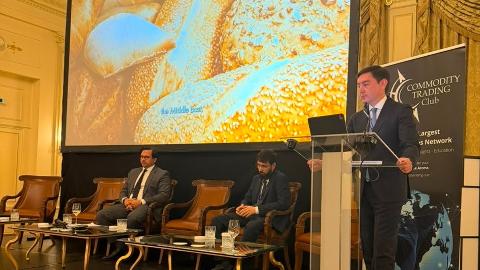
Kazakhstan is expanding its agro-export, with 15.3 million tons of grain and flour sent abroad in the last agricultural season, and grain exports reaching 12 million tons in the current marketing year.
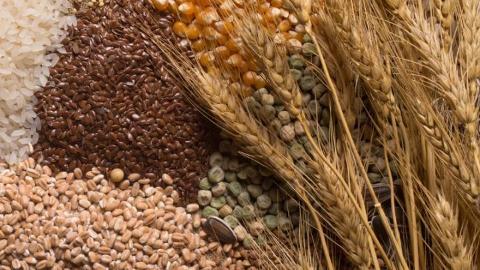
Grain and oilseed prices in Kazakhstan remain stable with subdued buying activity; key prices listed along with trading recommendations.

Kazakhstan is expanding its agricultural export, having exported 15.3 million tons of grain and flour in the last agricultural season, and is using the Trans-Caspian International Transport Route for exports.

The text reports that Kazakhstan's livestock production exceeded 1.158 trillion tenge in early 2025, with growth in cattle, meat, milk, and eggs. It details subsidies, dairy and poultry farm expansions, new lending programs, and processing industry developments, including increased exports of processed agricultural products.

Kazakhstan's grain stocks total 8.6 million tons as of June 1, 2026. Wheat reserves are 6.9 million tons.

Harvesting of onions and cabbage has started in Turkestan region, with 900 hectares of onions yielding an expected 25,200 tons and 616 hectares of cabbage yielding about 14,600 tons, supported by good weather and agrotechnics.