
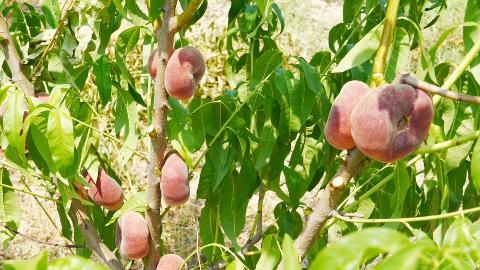
Intensive peach orchard established in Turkestan region
A peach orchard project using Turkish seedlings and drip irrigation is being implemented in Turkestan, with plans to expand to cherries and elite grapes.
Market context
Prepared editorial context for agricultural markets, source signals, policy moves, logistics, and regional commodity flows.
Latest context
A peach orchard project using Turkish seedlings and drip irrigation is being implemented in Turkestan, with plans to expand to cherries and elite grapes.
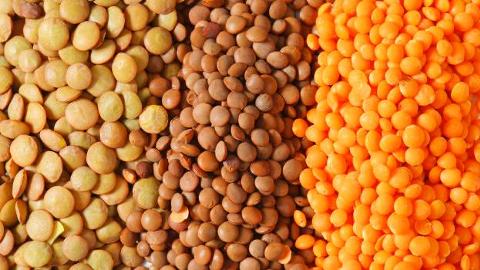
A new lentil processing plant with a capacity of 5 tons per hour will be built in the Akmola region for 1.3 billion tenge, funded by the company's own funds, with completion planned for September 2026, followed by a vegetable storage facility in 2027.
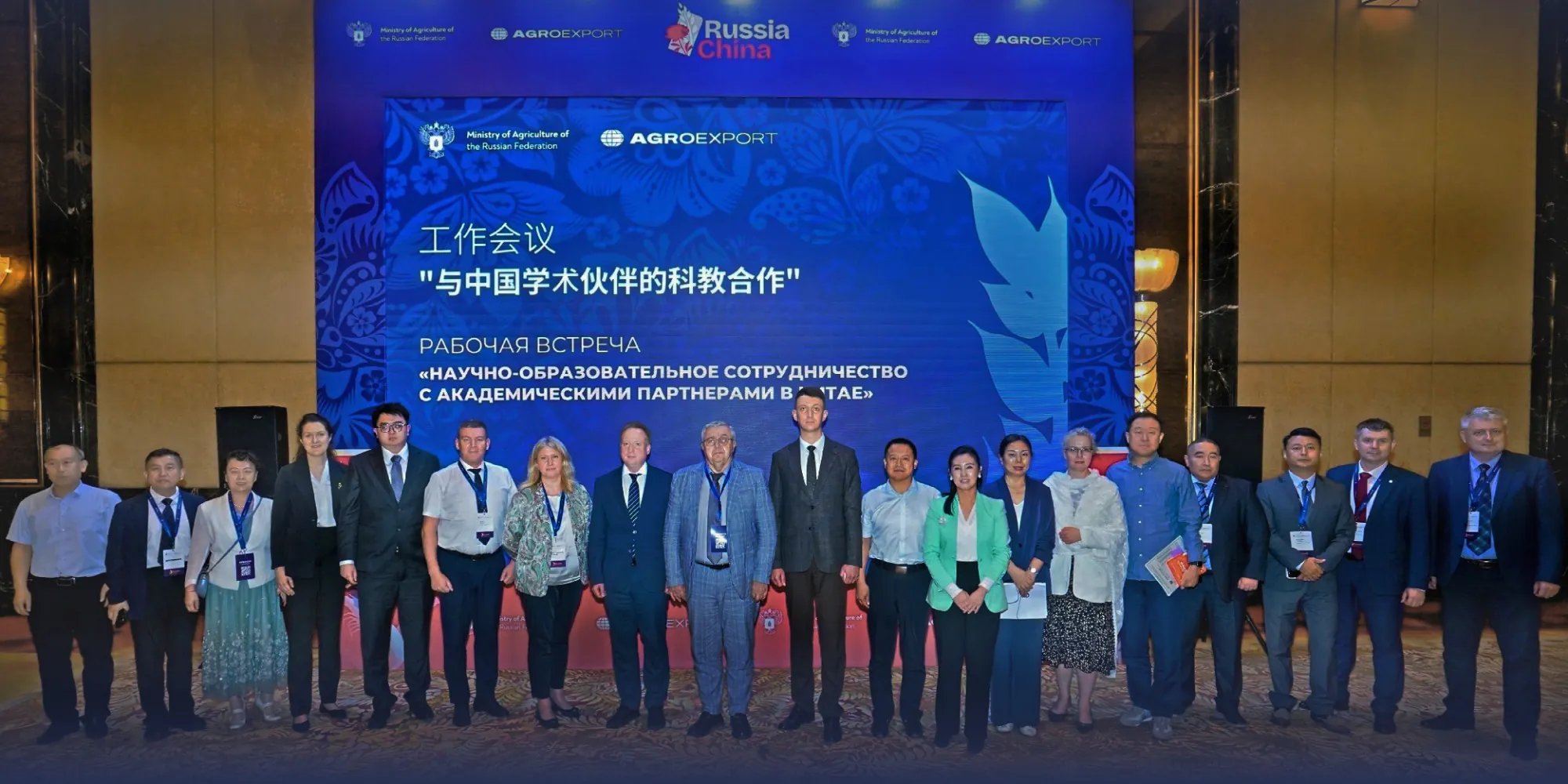
Russian fiber flax varieties registered in China for the first time; cooperation agreements signed between Russian and Chinese agricultural universities.

Russian food exports to China rose 42% in early 2026 driven by strong demand, with notable increases in fish, oil, and soybeans, as both countries explore wider agricultural trade.

Rostselmash and Kazakhstan officials discuss expanding agricultural machinery production localization, with increased output and investment.
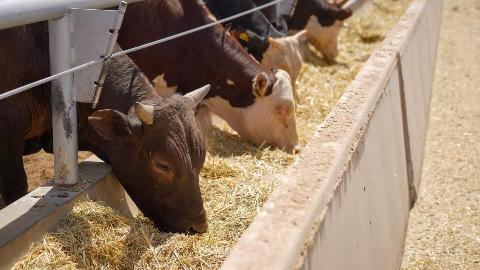
Kazakhstan launches subsidized livestock lending programs with low interest rates and expanded coverage for various animal husbandry sectors.

Rosselkhoznadzor is tightening control over private subsidiary plots with over 50 livestock animals, ensuring safety measures for commercial products and identifying violations like illegal hiring and lack of animal tagging.
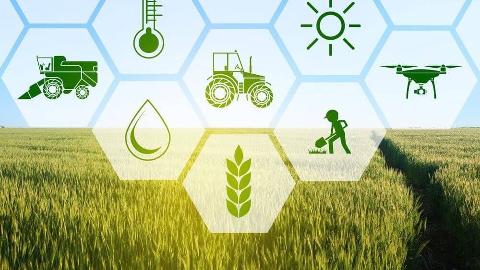
Kazakhstan extends crop insurance applications for excessive soil moisture until June 30, 2026, via Kezekte.kz, with 80% government subsidy for farmers.
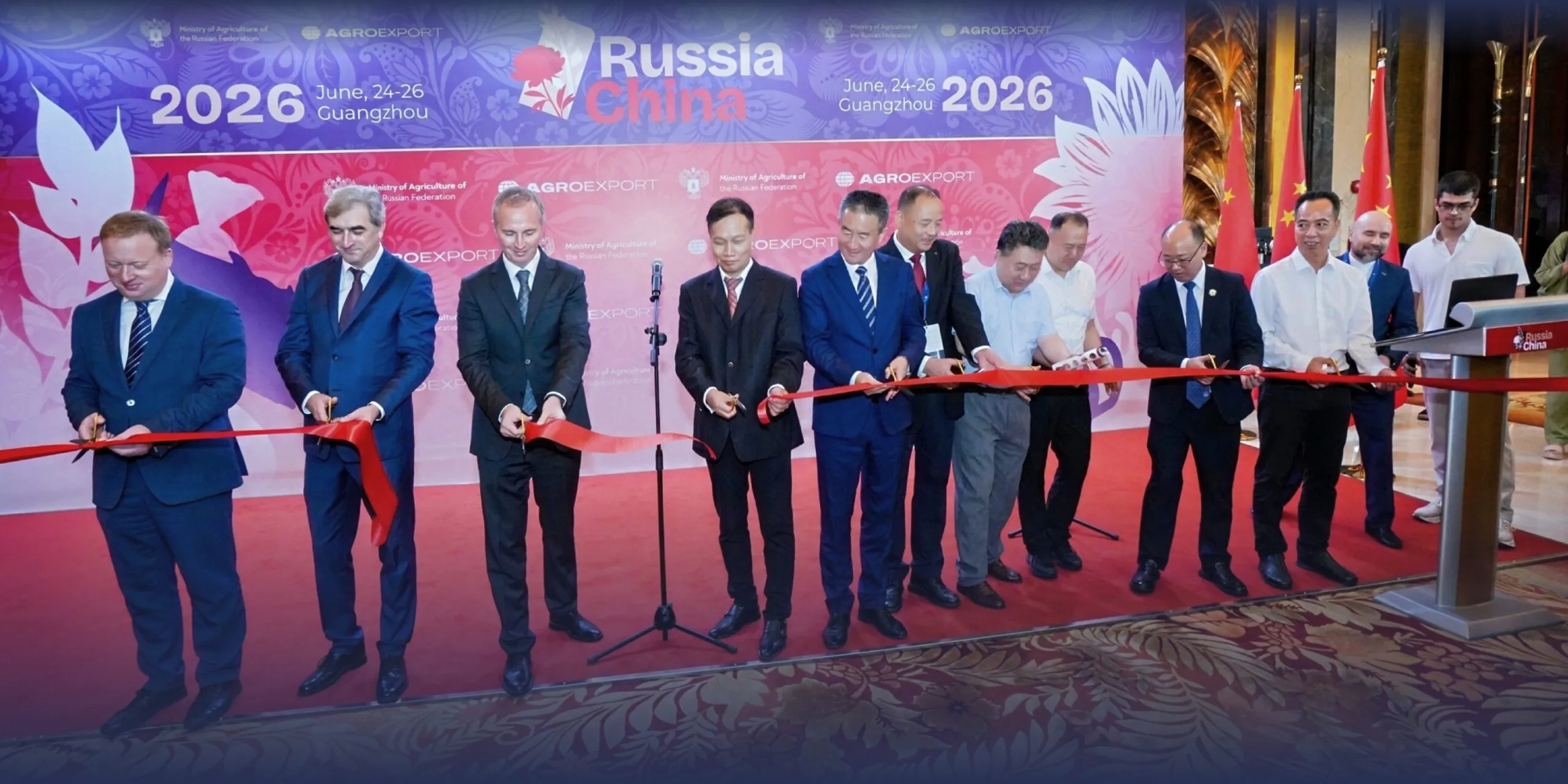
A Russian agricultural export business mission opened in Guangzhou, China, involving over 100 Russian companies and more than 200 Chinese organizations, aimed at expanding trade and contracts, with officials highlighting China as a key market.
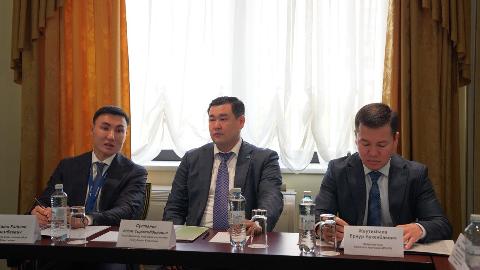
Kazakhstan and Russia discussed cooperation in breeding livestock and poultry, focusing on genetic independence, joint projects, and improved logistics.
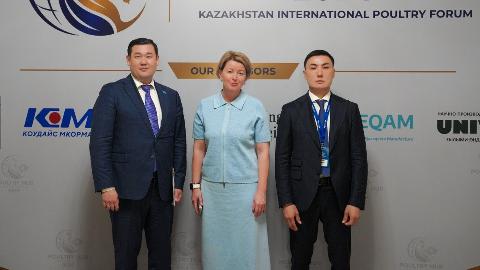
Kazakhstan aims to completely replace poultry meat imports by 2030, with the domestic demand for food eggs already fully met and the level of self-sufficiency in poultry meat at 78%.

The volume of preferential financing for Kazakhstan's agricultural sector has increased to 549 billion tenge in 2025, with the subsidization mechanism allowing for increased financing without a rise in budgetary burden.