

Kazakhstan July Weather Forecast
Kazhydromet forecasts hot and rainy July in Kazakhstan. Temperatures to reach 33°C to 45°C.
Market context
Prepared editorial context for agricultural markets, source signals, policy moves, logistics, and regional commodity flows.
Latest context
Kazhydromet forecasts hot and rainy July in Kazakhstan. Temperatures to reach 33°C to 45°C.

Kazakhstan has initiated a project to produce virus-free seed potatoes, with a total investment of up to $10 million, aiming to meet the country's demand for high-quality seed potatoes.

Infected plums and cherries from the Kyrgyz Republic were detained at a checkpoint in Kazakhstan due to the presence of hazardous quarantine objects, and the products were returned to the sender with fines imposed.
Russia boosted agricultural exports to Algeria and China, with notable growth in soybean oil, wheat, and dry milk to Algeria, and a 1.4-fold increase in agri-exports to China; business missions and B2B meetings in Guangzhou, along with enhanced Russia-Belarus cooperation, were also highlighted.

The International Forum on the Development of Animal Husbandry was held in Yakutia to discuss the development of the breeding base and support measures.

The Russian Ministry of Agriculture has increased the number of target places in agricultural universities by a third, exceeding 9.5 thousand, to develop the industry and provide personnel.
Rosselkhoznadzor has expanded the list of Russian fish suppliers to Korea, with 7 new enterprises and vessels approved for export.
Kazakhstan exports 10 million tonnes of wheat annually, with 50% processed grain products. Vice Minister Yermek Kenzhekhanuly confirmed the figures.
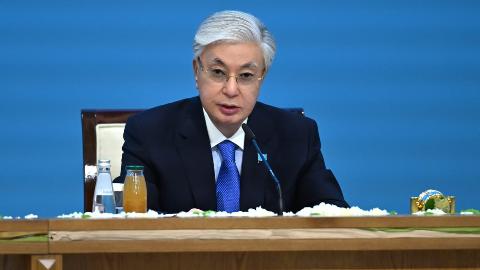
Kazakhstan is focusing on digitalizing its agricultural sector, using technologies like AI and automation to increase crop yields and reduce environmental impact, with plans to become a regional center for deep processing of agricultural products.

The text covers FAO-OECD production growth forecast, IGC corn harvest projections, poultry trade increase, China's anti-dumping on Canadian pea starch, and Vietnam's agricultural traceability system.
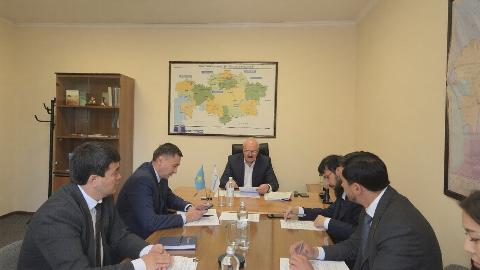
The national grain operator has reduced its debt and increased export supplies of agricultural products, achieving financial recovery and fulfilling government tasks to support farmers.

Kazakhstan's Ministry of Agriculture reports that in 2025, each budget tenge attracted 6.5 tenge in private funds, with total concessional financing exceeding 1 trillion tenge. Key programs include lending for field work, feedlots, processing, and machinery leasing. Plans for 2026 aim to increase funding further.